

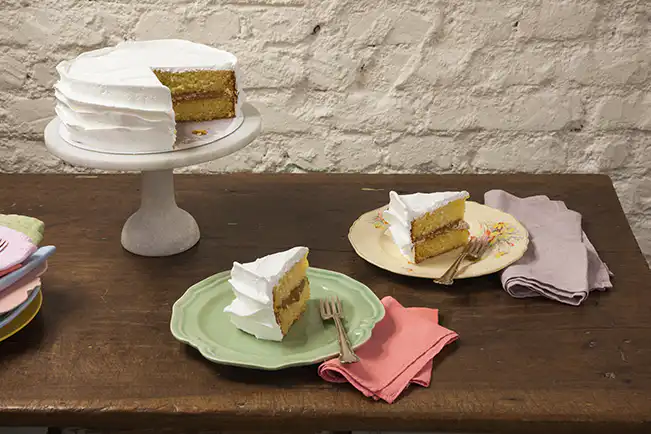

Components
- 3 tea cups of wheat flour
- 200 grams of butter softened to room temperature
- 2 tea cups of sugar
- Four eggs
- 1 cup of tea with milk
- 2 tablespoons of baking soda
- A small amount of salt, about a pinch.
- Use butter and wheat flour to grease and dust the mold.
- Use paper butter to shape the mold.
Mode of preparation
- Set the oven to 180 °C (moderate heat). Prepare a round mold measuring 20 cm in diameter and 10 cm in height by brushing a thin, even coating of butter inside.
- Cut a paper liner to fit the bottom of the formwork precisely. Press it down with your fingers to adhere it to the nailed bottom. Apply butter over the paper once more. Dust the bottom and sides of the pan with flour, then tap it gently over the sink to shake off any excess.
- In a bowl, combine the flour and salt. Set aside.
- Using the mixer, beat the butter until it turns white (if available, use the mixer’s paddle attachment to make the dough firmer). Reduce the mixer speed and slowly add the sugar. Continue beating for approximately 5 minutes until a light-colored cream forms—if necessary, pause occasionally to scrape down the sides of the bowl with a spatula.
- Incorporate the eggs individually, beating after each one. Reduce the mixer speed and gradually add the flour and salt mixture, alternating with the milk. Mix just enough to combine with each addition. Turn off the mixer and carefully fold in the yeast using a spatula. Pour the batter into the greased mold and even out the surface by swiftly rotating the pan on the table.
- Place it in the preheated oven and bake for 30 minutes. Then lower the temperature to 160 °C (low heat) and continue baking for an additional 50 minutes—reducing the temperature is crucial to avoid forming a crust on the outside while ensuring the center cooks properly.
- Insert a toothpick into the cake to test doneness. If it comes out with batter, bake it a bit longer. Once baked, take the cake out of the oven and allow it to cool for 15 minutes. Transfer it to a large plate, peel off the parchment paper, and let it cool completely before filling and covering.
To make meringue
Components
- 4 egg whites
- 1½ cups of sugar (tea)
Mode of preparation
- Place a small pan filled with water on medium heat – it will act as the foundation for the water bath.
- In a bowl, crack one egg at a time, allowing only the egg white to fall in while using the eggshell to separate the yolk. Pour the egg white into a glass or stainless steel bowl and set the yolk aside for a different recipe.
- Add sugar to the egg whites and mix. Place the bowl over a pan and whisk with a wire whisk for about 4 minutes until the mixture is smooth—take care not to cook the egg whites. To check if it’s ready, scoop a small amount with a spoon and test with your fingertips to ensure the egg whites are warm and free of visible sugar granules.
- Place the mixture into the mixer bowl and beat on high speed for approximately 10 minutes, or until it cools and develops a stiff meringue.
Purchase only what is necessary
Store
Ceramics, Ceraflame products

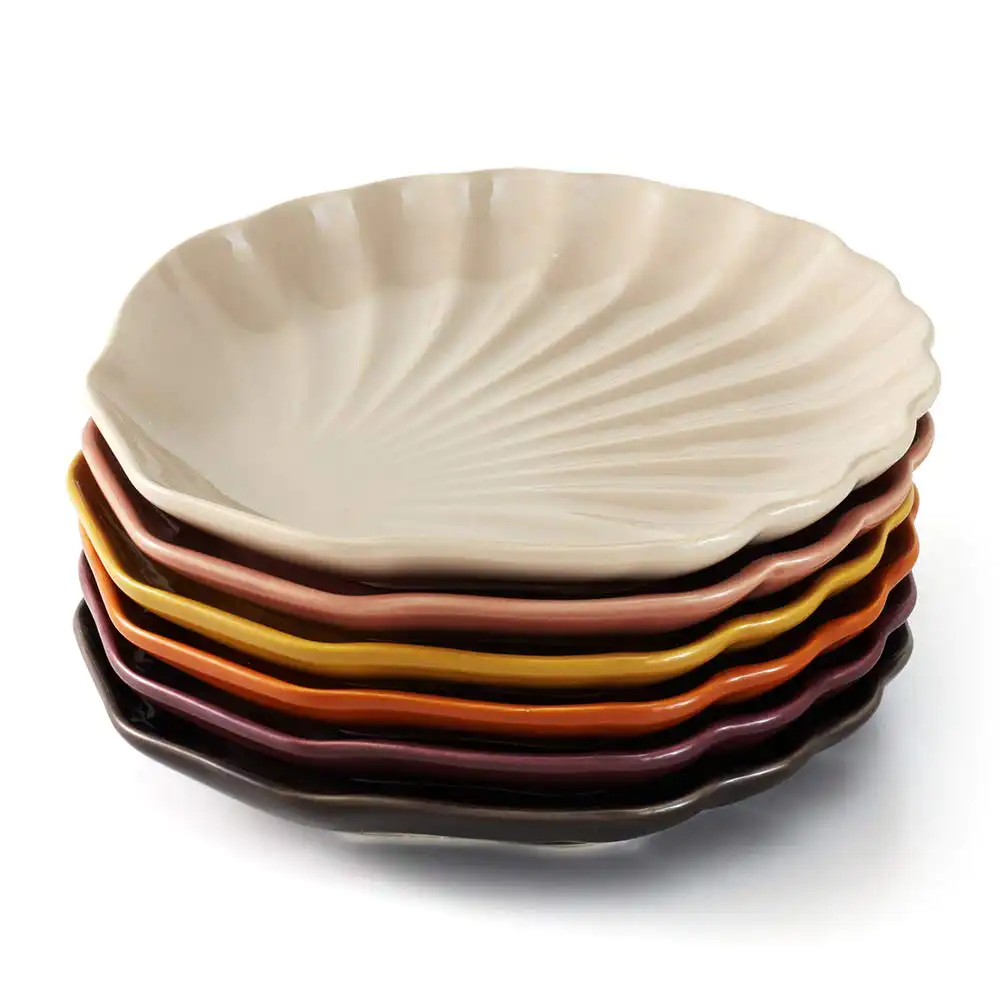
Set de platos multifuncionales [de colores]
Brinox Silicone Brush

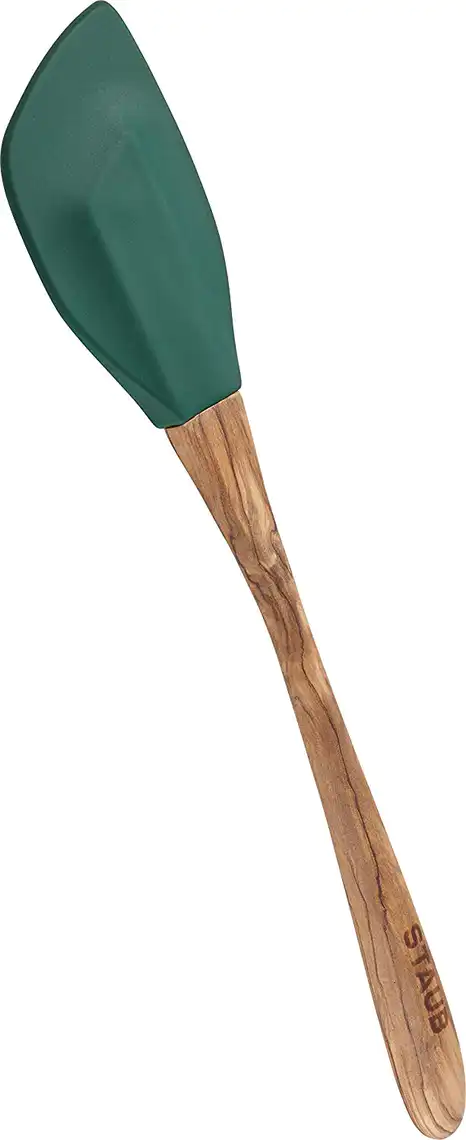
Staub silicone scraper
Tramontina 20 cm stainless steel pan featuring a triple-layered bottom.

Hercules stainless steel mixer blade

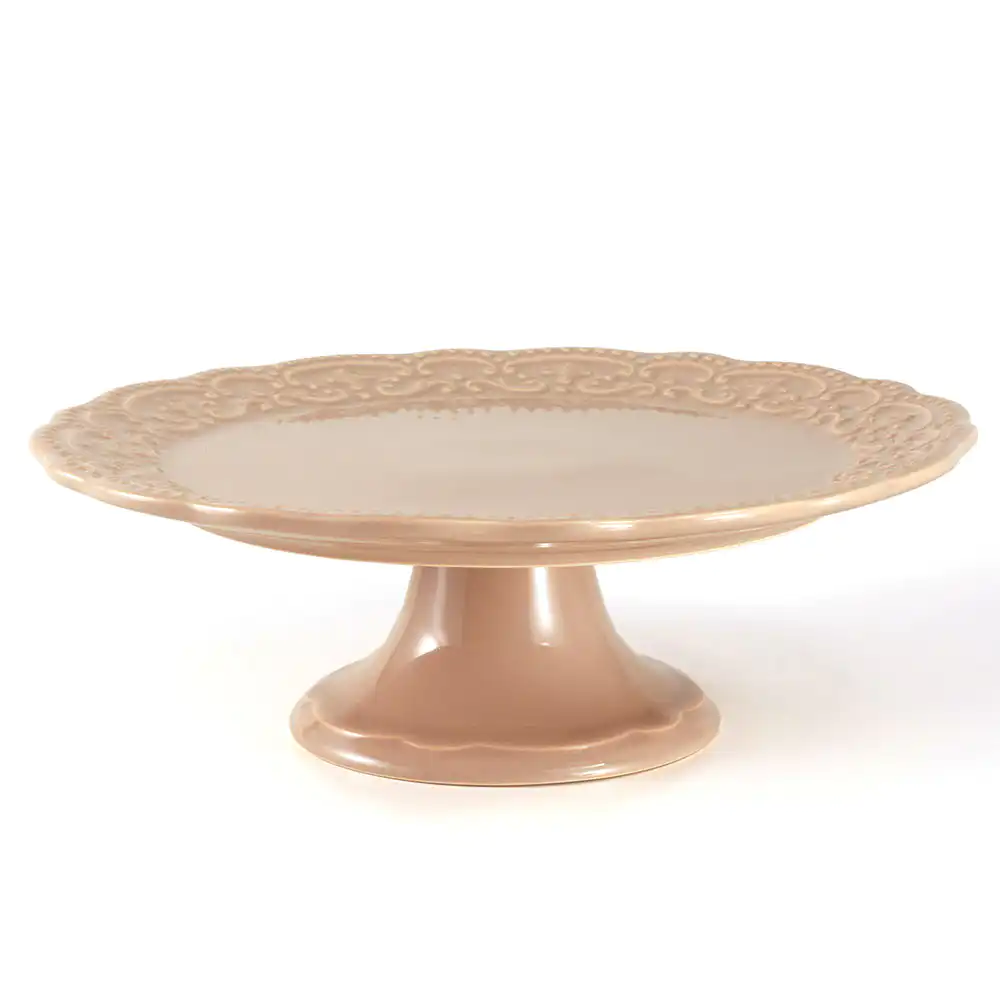
Medium-sized cake plate with a pedestal, Paninha Collection
For installation
Components
- One can of boiled condensed milk (395 g) or a can of milk
- 1 pack of single-use dressers
- One beak designed for large petal confectionery type
Ready state
- Using a pastry knife, trim the top of the cake to make it even—set aside the cut pieces for another use. Slice the cake horizontally in half to create two layers (alternatively, you can use a thick thread instead of a knife). Place one of the layers onto the countertop using the base of a mold.
- Using a spatula, spread the boiled condensed milk onto one half of the cake, starting from the center and moving towards the edges, but avoid reaching the very edge to prevent the filling from spilling and staining the top. Then place the other half of the cake on top.
- Using a pastry or cake spatula, apply a thin coat of meringue to the top and sides of the cake. Insert the piping tip into the dressing bag and snip off the end. Place the leftover meringue into the bag, then tightly twist the wide opening to seal it. Begin decorating from the top down: hold the tip upright, pull along the side of the cake, and squeeze the bag steadily to pipe a layer of meringue around the side. Continue layering, overlapping each coat until you reach the bottom. Serve immediately.
Note: If you like, place spoonfuls of meringue on the cake for decoration and caramelize them with a torch.
Zero waste
Here’s a way to transform cake chips into a fresh dessert: Zuppa Inglese.